Living in the Lowcountry means long, humid summers and plenty of rain. Concrete is porous, so it holds and releases moisture, and that matters when you put a coating on top of it.
Most coating failures you see, peeling, bubbling or hot-tire marks, come down to what happened before the resin was ever opened. That is why we spend so much of every job on preparation.
Grinding, not just cleaning
Epoxy needs a clean, open surface to grab onto. We mechanically prepare the concrete to remove sealers, stains and the smooth top layer, so the resin can bond into the slab instead of sitting on top of it.
Checking the concrete
Before we coat, we look at the slab for signs of moisture, cracks and damage. Cracks and pits are repaired first so they do not telegraph through the finished floor.
Timing the work
Temperature and humidity affect how epoxy flows and cures. We plan application around the conditions in your space and give you clear timing for foot traffic and parking.
- Keep the garage door closed during curing when we ask you to
- Hold off on parking until we give the go-ahead
- Let us know about any past water issues in the space
The result
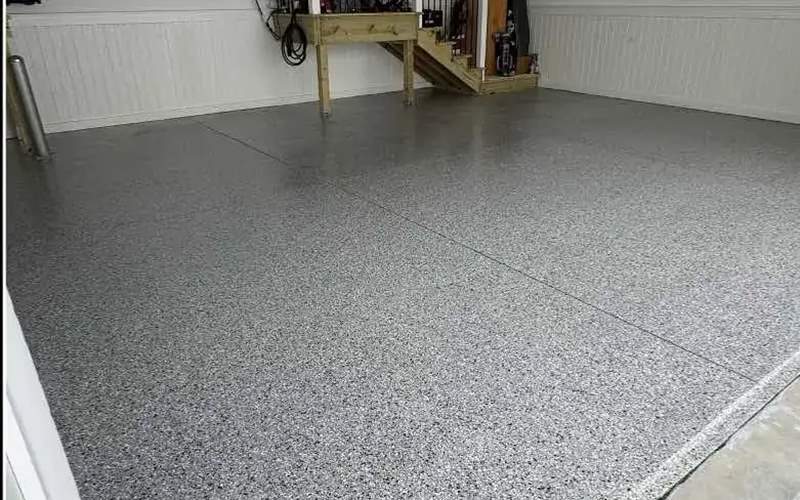
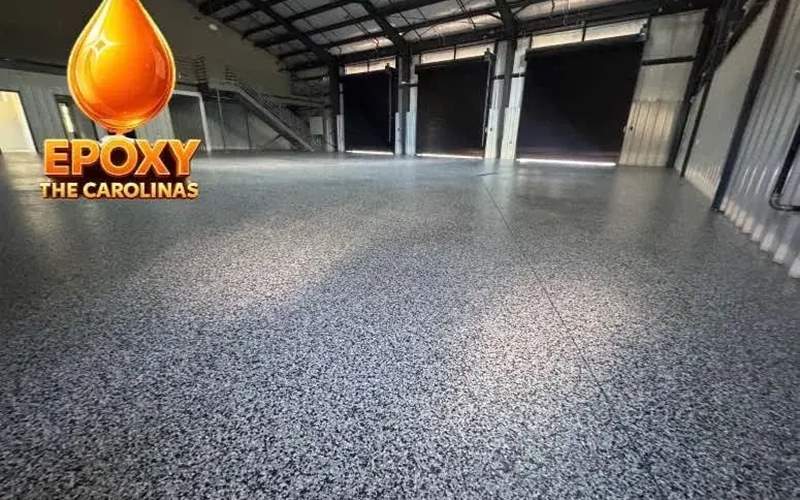
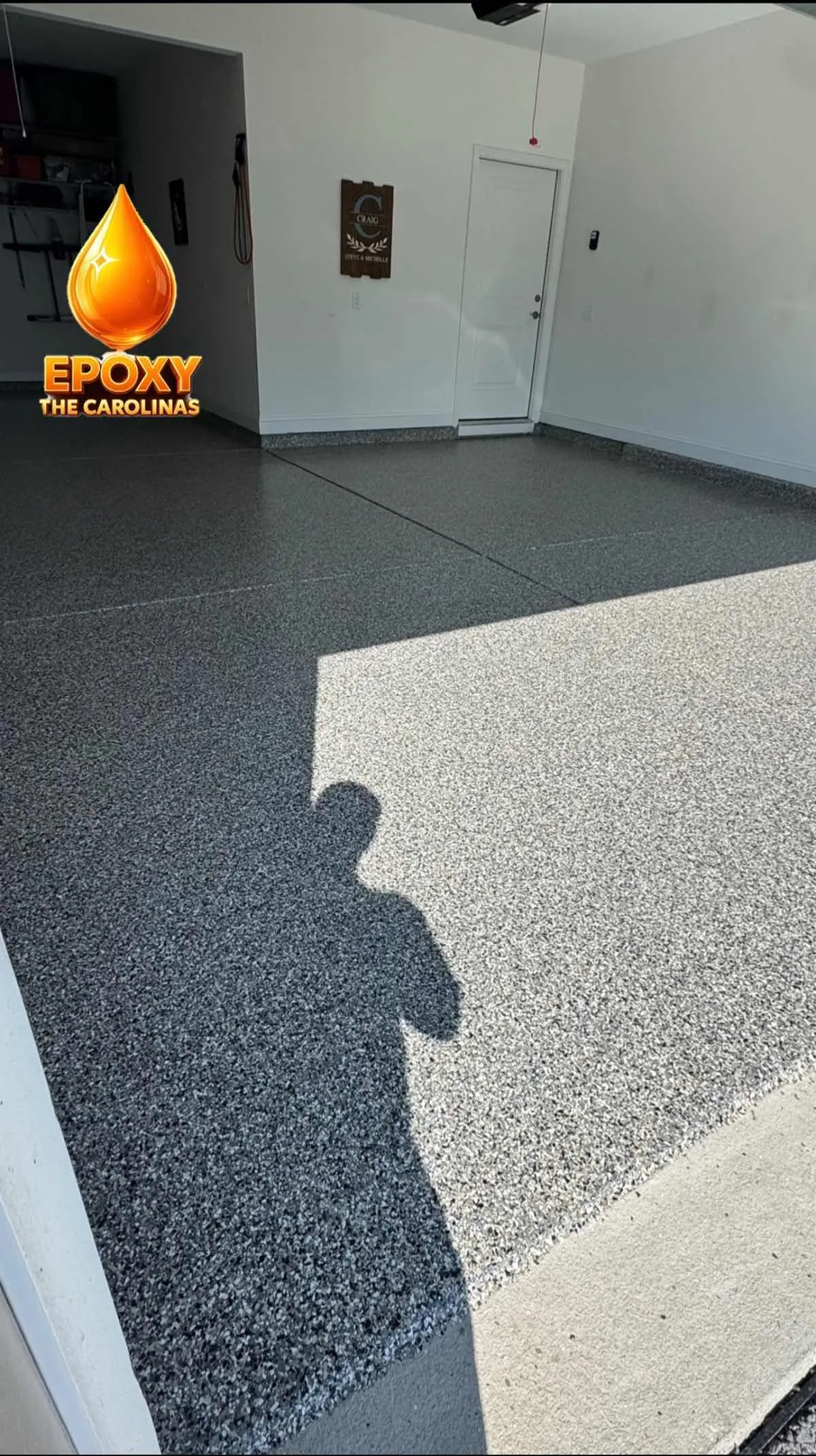
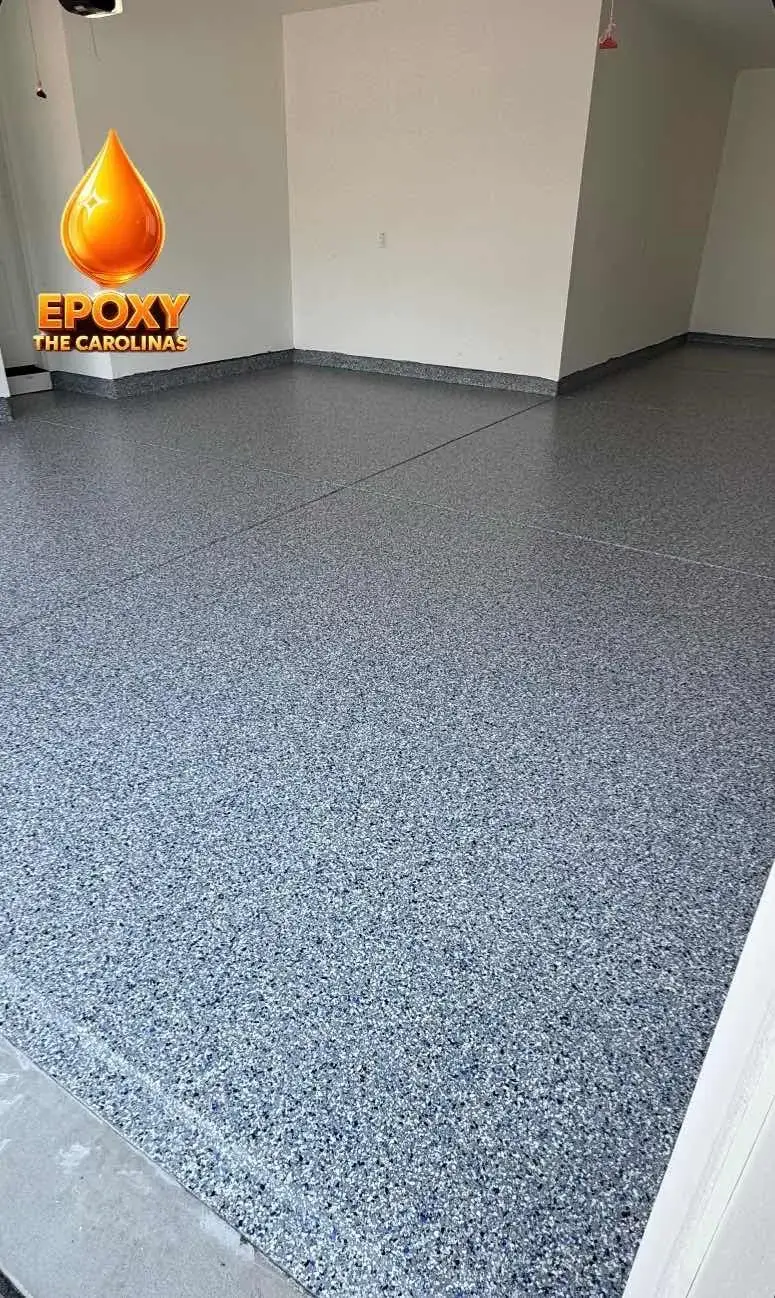
Done right, an epoxy floor is one of the best things you can do for concrete in a humid climate: it seals the surface, stops the dust and wipes clean after a summer storm.